Eight Ways Sales Reps Can Exceed Dealer Expectations

Jeremy Burkhardt (jburkhardt@speaker craft.com) is president of SpeakerCraft in Riverside, California.
As an independent business owner in the custom industry you often have most of your brand interface with an independent sales representative who sells many different product lines. This has been a popular go-to-market strategy, because it costs the factory less money than hiring a full-time team of people for each territory. The question I hear many dealers ask is, “What is the rep supposed to do and why do they get big commissions on every single product I buy?”
In recent months a spate of independent sales reps have been fired by various manufacturers searching for a new ways to survive. Now, I have never fired anyone that I thought was doing a great job, and I think that is probably the rule for most factories. But as business has slowed in the channel, some manufacturers think they can bag their reps to save money in the short term. My feeling, however, is that without a great sales team in place, products won’t sell and that many of the recent terminations will be rehired in the next six to 12 months.
How can you run a great brand without someone leading the charge, daily, with every dealer? Having had both factory-direct and independent reps since 1994, I want to give you the low down on what a good sales rep should do for you.
The following has been compiled with SpeakerCraft dealer input around the country in discussion groups and factory focus groups. You have told us that you have some great reps and some lame reps as well. Reps are your lifeblood with the factory they represent for you and should be seen as your business partner. As with any business relationship I suggest you set a clear set of expectations of what you want from a rep upon visiting you. The days of “just dropping in” are long gone. These days, it’s all about delivering value to you, so when your meeting is over you can make more money. Here are eight suggestions to help reps perform better during challenging times:
1) Fix Stuff
This is the most important thing a rep can do on a dealer’s behalf. When something goes wrong with a product, on an order, or any issue, they need to be your go-to person to get stuff fixed. The rep is the dealer’s factory contact, and no matter what it takes, they need to make the calls, get the right product shipped, follow through, over-communicate, and make sure the dealer is always taken care of, properly.
2) Protect Your Territory
Dealers wants to know who is selling products and who is in business competing against them in their territory. The rep needs to keep the dealer in the loop and respect his distribution parameters.
Establish sales targets and hit them, and any independent sales rep worth their salt will take good care of you.
3) Product Master
The rep is the person that should know more about the products they sell than anyone in the market. If a rep isn’t technical and his dealers have to call a factory for an answer, then that rep is not good at his job. This is how reps get paid, and they need to bleed technology and knowledge.
4) Training
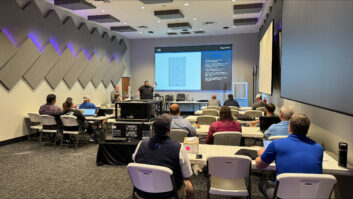
A good rep should have full PowerPoint trainings on each brand that he sells and at any time be able to make an appointment to train their dealers and their staff. The best reps will introduce dealers to new business opportunities by training on more than just products.
5) Factory Advocate
A good rep needs to be able to go to bat with his manufacturer partners to help his dealers gain better sales deals, terms, and credit limits. The rep is in charge of helping his dealers flourish with the brands they carry.
6) Business Advisor
Reps should be able to share best practices with their dealers, evaluate their facilities, their showroom, employees, pay, contracts, and ideas to help them grow.
7) Communication
Dealers should have one or two days a month when all reps are asked to visit. A savvy dealer will send their reps an agenda of what he wants to cover, well in advance of this meeting.
8) Provide Sales and Training Support
From simple product literature to deep training on how to program or install, if a rep doesn’t have a car full of samples and sales support materials, then they are doing their dealers a great disservice by not providing tools that manufacturers spend millions of dollars to produce.
Your local rep is your friend and advocate, so use them all you can, because their commissions range from one percent to more than 10 percent on every product you buy. Become important to them by establishing sales targets and hitting them, and I promise that if the rep is worth their salt, they will take good care of you.