For many systems integrators, motorized shading has become an increasingly important category. As homeowners embrace automation, energy management, and personalized living environments, interior shading has evolved from a luxury upgrade into a core component of the modern smart home.
For those already successful with interior shades, motorized exterior shading may seem like the next logical step, and, in many ways, it is. Exterior shading continues to experience strong growth, driven by homeowners’ desire to extend the usability of outdoor living spaces while improving comfort, reducing solar heat gain, mitigating glare, enhancing privacy, and complementing the home architecture.
In fact, exterior shading has become one of the fastest-growing segments of our business. We experienced 33% year-over-year growth in 2023 and continue to see strong demand as homeowners invest more heavily in outdoor living environments.
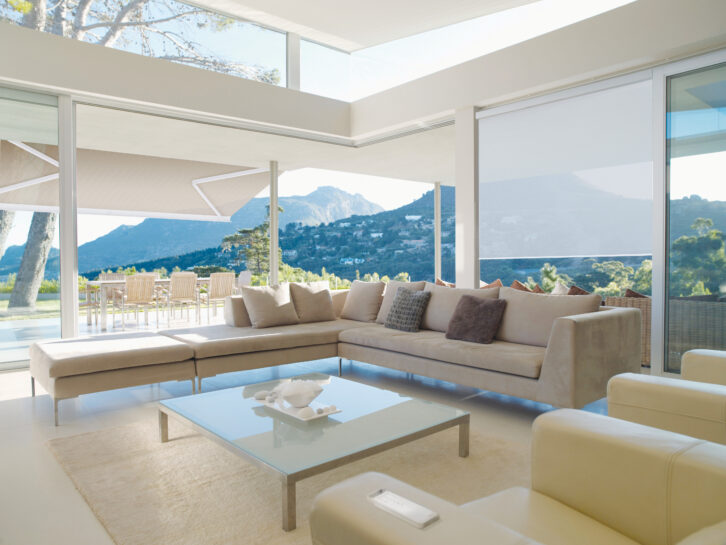
But while exterior shading shares some similarities with interior window treatments, it should never be approached as simply an outdoor version of the same product. Integrators who understand these differences and plan accordingly can unlock a highly profitable business opportunity while delivering tremendous value to their clients.
Benefits to Your Clients and Business
Historically, homeowners viewed exterior screens primarily as a way to keep insects away from patios and outdoor gathering spaces. Today, those benefits are only part of the story. Modern exterior shading systems help homeowners transform outdoor spaces into true extensions of the home. Depending on fabric selection and system design, exterior shades can create comfortable environments that can be used throughout much more of the year.
Shades Week: A Shade for Any Window
One of the biggest mistakes I see is assuming that exterior shading is simply interior shading installed outdoors. Interior shades are typically mounted within a window frame. You take measurements, specify the product, and complete the installation. Exterior shading is an entirely different animal.
Every project begins with a thorough understanding and inspection of the surrounding environment. Successful exterior shading systems are shaped by a variety of factors, including placement, orientation, sun exposure, wind conditions, architectural details, and the materials to which they will be mounted. Regional climate considerations are equally important. A west-facing patio in Arizona presents a very different set of challenges than a covered outdoor living area in Florida or a coastal property exposed to salt air, humidity, and high winds. Understanding these variables upfront is critical to specifying a solution that delivers long-term performance, reliability, and homeowner satisfaction.
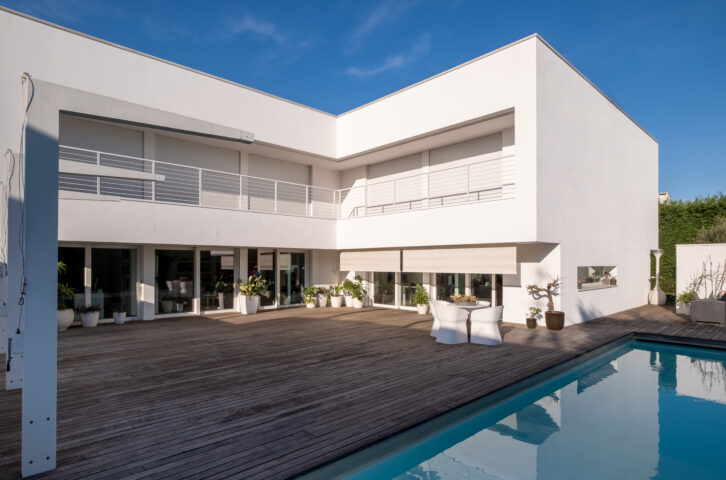
However, environmental considerations are only part of the equation. Luxury homes often feature multiple exterior shading applications throughout the property, each presenting its own set of environmental, structural, and design considerations. Adding to the challenge, exterior shades aren’t simply functional systems — they become part of the home’s architectural expression. Unlike interior shades, they are visible to homeowners, guests, and neighbors alike, making finish quality, color coordination, and seamless integration with the surrounding architecture critical to the success of the project. In many cases, aesthetics carry just as much weight as performance.
Start with Structure, Not Fabric
When evaluating an exterior shading project, I always start with the structure. Exterior shades are larger, heavier, and subjected to forces that interior shades never encounter. Typical installations range from 16 to 25 feet wide, and some systems are considerably larger.
Before selecting fabrics or motors for exterior shading, determine the following:
- What am I attaching to?
- Is the structure sound?
- What are the local weather conditions?
- What wind loads should be expected?
- How much sun exposure will the system experience?
One of the most important components of a quality exterior shading system is the zip-track design. A properly engineered zip-track system creates lateral tension that keeps fabric taut, clean, and stable. Compared to cable-guided systems, the result is typically better aesthetics and improved performance. Not all zip tracks are created equal, however.
Shades Week: Choosing Shade Power With the Long Game in Mind
Outdoor environments are constantly changing. Trees grow. Structures settle. Ground shifts. A quality track system should be engineered with enough tolerance to accommodate these realities without sacrificing performance. The materials used in the track system are equally important. Inferior materials often degrade over time, leading to alignment issues, increased wear, and service calls.
Find the Right Fabric and Motor
Fabric selection should always begin with a simple question: What is the homeowner trying to accomplish? If the goal is solar control, I may recommend a low-opacity fabric. If the goal is maintaining views while reducing glare, a different openness factor may be appropriate. If wind protection is the priority, clear vinyl may be the best solution. Today’s exterior shading systems offer a wide range of options, including openness factors from approximately 3 to 10%, so the right choice ultimately depends on the application.
Exterior shades place substantially greater demands on motors than interior shades. While many interior systems utilize motors in the 3- to 4-newton-meter (Nm) range, exterior applications often require motors in the range of 10 to 100 Nm and sufficient torque to move hundreds of pounds of fabric.
Automation Protects the Investment
One of the most valuable additions to any exterior shading system is automation. Wind sensors, in particular, can help protect both the shade and the structure supporting it. In many applications, shades should automatically retract when wind speeds exceed safe operating limits. We strongly recommend wind sensors on most exterior projects. Automated retraction can significantly extend the life of the system while reducing service issues.
I also caution integrators against relying too heavily on hurricane-rated marketing claims. Even the strongest shading system is only as good as the structure to which it is attached. Achieving hurricane ratings often requires additional mounting hardware, deeper structural attachment points, and specialized fabrics that may compromise aesthetics or visibility.
When taking on an exterior shading project, look beyond basic lift capacity and evaluate additional features such as:
- Obstacle detection
- Wind sensor compatibility
- Manual override capabilities
- Environmental durability
- Control system integration
Don’t Overlook Service Opportunities
Exterior shading creates valuable recurring revenue opportunities that many integrators overlook. Because these systems operate outdoors, periodic maintenance is essential. Regularly scheduled visits help maintain performance while strengthening long-term client relationships.
A service program might include:
- Cleaning tracks and channels
- Inspecting sensors
- Verifying alignment
- Checking fabric condition
- Confirming motor performance
One lesson I’ve learned over the years is that the best interior shade installer is not automatically the best exterior shade installer. Exterior shading requires an understanding of construction, architecture, structural engineering, environmental conditions, and project planning that goes beyond traditional shading knowledge. It requires patience, documentation, and attention to detail. Taking each step slowly and methodically to ensure accuracy is the best way to prevent costly mistakes.
For integrators willing to invest in the expertise, exterior shading represents one of the most attractive growth opportunities in the smart home industry today. It allows you to expand your service offerings, increase project revenue, and deliver solutions that homeowners use and appreciate every day.
For more information, visit www.niceforyou.com.