Many people start their journey to creating a smart home by installing a smart thermostat, a few smart light switches, a voice assistant for control, and possibly a few other smart devices. Once they can use voice commands to turn their lights on and off or adjust their thermostat, they feel they have created a truly smart home.
While voice control is often marketed as the pinnacle of modern living, it is essentially just a high-tech remote control. Barking orders at a smart speaker still requires the homeowner to identify a need, formulate a command, and wait for the system to execute it. In this scenario, the human remains the “brain” of the operation, while the house remains a passive recipient of instructions.
Homeowners aren’t alone in creating smart homes like the one described above. Many of the systems installed by professional integrators look just like this.
But, the transition to a truly smart home occurs when the environment becomes proactive rather than reactive. By utilizing a network of sensors, a home can perceive the presence and needs of its inhabitants without being told. For instance, instead of asking for the lights to be dimmed for a movie, a sophisticated system detects that the television has been turned on during evening hours and adjusts the lighting and motorized shades automatically. In this model, the home anticipates the user’s intent, effectively removing the mental load of managing the environment.
Ultimately, the goal of home automation is “invisible” technology that functions on the resident’s behalf. When a thermostat adjusts based on a combination of outdoor temperature/humidity and room occupancy, or when a hallway illuminates at a low intensity for a midnight trek to the kitchen, the home is acting as an autonomous assistant. By shifting the reliance from voice commands to sensor-driven logic, the house evolves from a collection of connected gadgets into a cohesive, living ecosystem that serves its occupants silently and efficiently.
It is important to distinguish that this type of smart home is far different from one controlled by AI agents whose actions can’t be completely predicted. This is a home that always acts in a predictable way in the best interest of the homeowners. As the technology behind AI agents matures, this may change. However, it is where we are today.
The remainder of this article examines some of the different types of smart sensors that can be installed in a home and how they can be used.
Occupancy/Motion Sensors
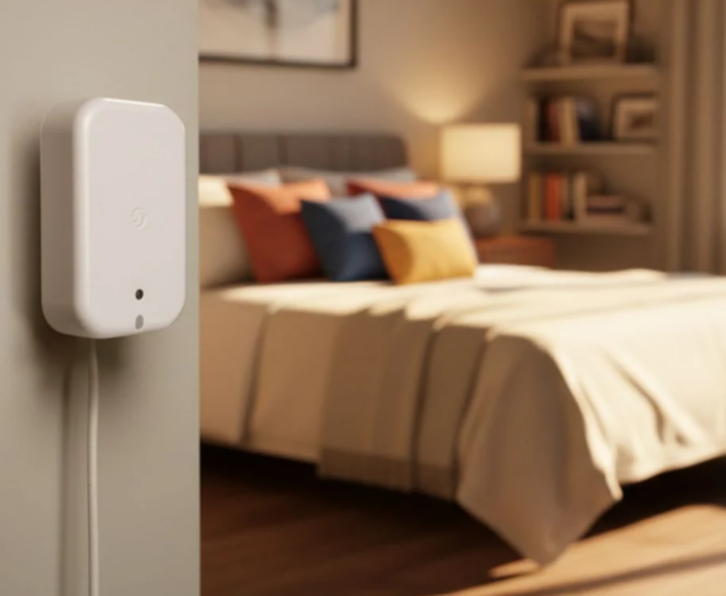
Occupancy and motion sensors are some of the most useful sensors in a smart home. From a convenience perspective, they can automatically turn lights on when someone enters a dark room and turn them off when the person leaves. All this without anyone having to operate a light switch or issue voice commands.
Occupancy sensors also make a home more energy-efficient. They can be used to automatically turn off lights, TVs, and other energy-hungry devices when a room becomes unoccupied.
However, occupancy sensors are not without their challenges. Most just detect motion. They require that someone in a room periodically moves or they will time out and indicate that the room is unoccupied. This can be very frustrating for someone reading a book, and the lights keep turning off because there isn’t enough motion to trigger an occupancy sensor.
Also by Jay Basen: The Risks of AI in the Smart Home
Two companies that make more sophisticated presence sensors are Aqara and Shelly. These sensors use millimeter wave (mmWave) radar and are so sensitive they can detect the movement of a person breathing while they are asleep. They can also determine where a person is in a room vs. only whether the room is occupied. This opens up whole new possibilities for smart home automations. For example, specific lights can be turned on in a room depending on where a person is located. Additionally, a gas fireplace can be turned off when someone approaches; potentially saving a young child from being attracted by the flames and getting badly burned.
Smart Thermostats and Temperature Sensors
According to the U.S. Department of Energy, a family can save up to 10% on the cost of heating/cooling their home by setting back their thermostat.
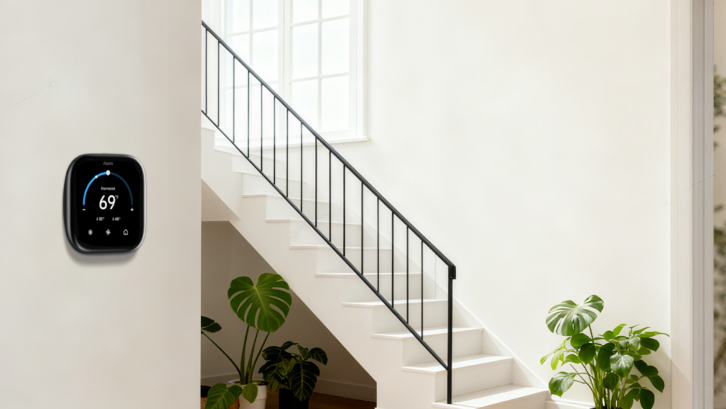
Today, a basic thermostat can adjust the temperature set point in a home based on the time of day. So, the thermostat can be set back when people are scheduled to leave for work and the normal temperature restored when people are scheduled to return home. However, people’s schedules are much more erratic than they used to be. One day a homeowner may work from home, the next day they go out to meet customers at lunch time, and another day they go to work in the office. A thermostat that makes adjustments on a fixed schedule isn’t nearly as effective today as it was before people started working more from home.
Some of today’s smart thermostats have built in motion sensors that are used to determine occupancy of a home. The thermostat can automatically be set back when the home becomes unoccupied and the temperature restored when people return home. However, depending on where the thermostat is located, it may not be able to “see” people in the home and improperly set back the temperature. Again, this is one reason why determining the occupancy of a home is challenging.
Additional temperature sensors in a home can be used to:
- Help balance the temperatures in different rooms of a home.
- Trigger the heat to turn on when the temperature in the home unexpectedly falls and there is risk of freezing pipes and other cold-related damage to the home.
- Trigger the air conditioning to turn on when the temperature in the home rises and there is risk of heat-related damage to the home. Cracks can develop in woodwork and wood furniture from excessive heat. Appliances, such as a home’s refrigerator, can also be damaged by excessive heat in a home.
- Alert a homeowner that their heating, ventilation, and air conditioning (HVAC) system may have failed if the temperature in the home continues to get hotter or colder after commands have been sent to turn on the HVAC system.
A number of companies make smart thermostats, including Amazon, Aqara, Ecobee, Google/Next, and Honeywell.
Door/Window Sensors
Door/Window sensors are very useful in a smart home. For example, when a home has been unoccupied, the opening of an entry door at night can trigger pathway lights to be turned on so a homeowner can safely navigate around their house. This is very useful when returning from the store and your hands are being used to carry packages.
Second, for convenience, sensors on closet doors can automatically turn on a closet light when the door is opened and turn it off when the door is closed. Similarly, occupancy sensors can be used to turn lights on/off in walk-in closets.
Third, for both added security and energy savings, a sensor on an exterior door can alert a homeowner when the door is accidentally left open. Additionally, sensors on exterior doors can be used to alert homeowners with young children that one has potentially managed to leave the home unsupervised. This can be especially important if the home has a backyard pool.
Finally, a sensor on a window can automatically turn off the HVAC system when the window is opened to save energy and money on utility bills.
Air Sensors
There are two types of air sensors that are typically used in homes:
- Smoke / Carbon Monoxide (CO) Alarms
- Indoor air quality (IAQ) sensors
Smoke alarms, by law, have been installed in every home built since 1976 and have saved countless lives. In the event of a fire, a home with smart smoke detectors can perform the following actions:
- Exterior lights can be flashed to help first responders quickly find the home.
- A forced-air HVAC system can be turned off so it doesn’t spread smoke throughout the home.
- Smart door locks can be unlocked to allow first responders to quickly enter the home.
- Pathway lights can be lit to make it easier for family members to find their way to safety in a smoke-filled house.
- Motorized drapes and shades can be opened to allow family members to more easily exit through windows if other pathways are blocked. This can also allow first responders to see into the home to help them locate family members who may need to be rescued.
Smart smoke alarms that can also detect CO can provide additional safety in a smart home (see a detailed article on this topic I wrote here). If CO is detected, motorized windows can be opened to allow this poisonous gas to escape and fresh air to enter the home.
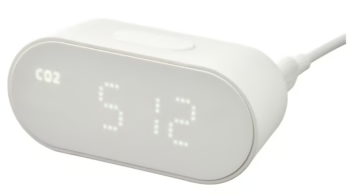
Poor IAQ in a home can be a significant health hazard. According to the U.S. Environmental Protection Agency, “Health effects associated with indoor air pollutants include:
- Irritation of the eyes, nose, and throat.
- Headaches, dizziness, and fatigue.
- Respiratory diseases, heart disease, and cancer.”
When a smart IAQ monitor detects poor air quality in a home, it can:
- Turn on air purifiers
- Turn on the fan of a forced-air HVAC system that has a high MERV filter installed. MERV 13 filters are capable of removing particulate pollution as small as 0.3 microns. This can include removing smoke from the air in the home.
- Turn on the fan of a forced-air HVAC system that has a filter installed that includes activated carbon. Activated carbon can help remove volatile organic compounds (VOCs) from the air in a home.
- When outside air isn’t polluted and outside weather conditions are favorable, motorized windows can be opened to allow fresh air to enter the home.
Exterior Sensors
While smart sensors inside a home add the most value, sensors outside a home are also worth considering. For example, motion sensors and motion-activated floodlights can add a great deal of security to a smart home. Security systems treat a home’s doors and windows as the perimeter of the house and don’t trigger an alarm until this perimeter has been breached. Outside motion sensors and motion activated floodlights are a way for a homeowner to prevent a break-in from ever occurring.
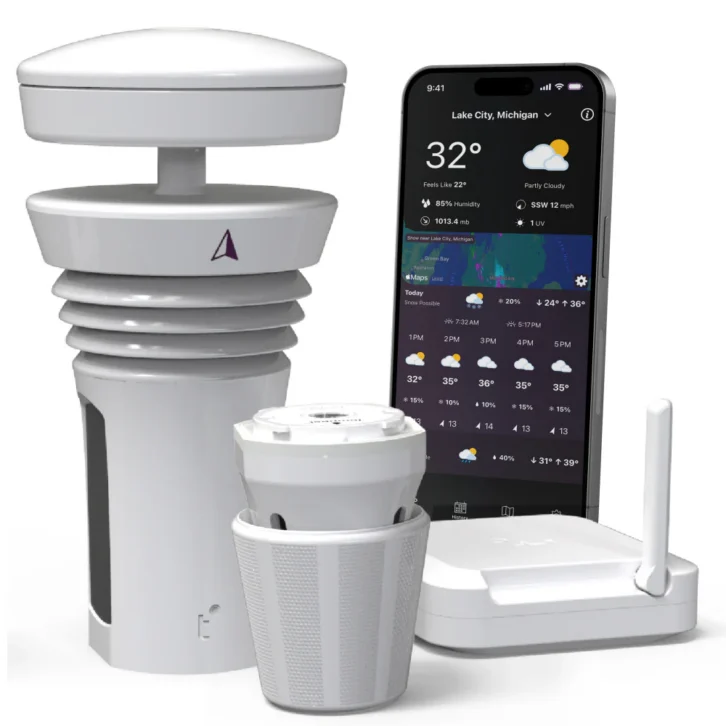
A smart weather station adds a host of environmental data to a smart home (an article on the WeatherFlow Tempest Smart Weather System I wrote can be found here). Through integration of a smart weather station, rain, high winds, and a falling temperature can all trigger motorized windows in a home to be closed. Rain can also trigger a notification to move a car into the garage, ensure the car’s windows are closed, or to verify that the car’s convertible top or sunroof is closed. Warmer outside temperatures during the middle of the day can trigger the heating system to turn off to save money on utility bills. And, a smart weather station can potentially be integrated with a smart irrigation controller to provide hyper-local weather information to the irrigation system. This can save on the water used to irrigate a home’s lawn and shrubs. WeatherFlow and Rachio have developed a subscription service for linking weather data from a WeatherFlow Tempest Smart Weather System with a Rachio smart irrigation controller.
Automating the operation of motorized windows can have several benefits:
- For security, windows can be automatically closed when the home becomes unoccupied
- Fresh, outside air can be used to reduce the levels of indoor air pollutants in a home
- In some areas, cool outside air can be used to cool a home at night to reduce the money spent on air conditioning. When outside temperatures rise during the day, the motorized windows can be closed automatically
However, if the outside air is polluted, for example, by smoke from a wildfire, then you don’t want to open windows. A smart outdoor air quality monitor, such as one from PurpleAir, can be integrated into a smart home (an article I wrote that includes information on PurpleAir’s air quality monitors can be found here). The data provided by an outdoor air quality monitor can be used to determine when outdoor air can be beneficial for use in ventilation of a home.
This same outdoor air quality data can also be very valuable as a health aid to homeowners. Air quality readings can be used by homeowners when deciding on what outdoor activities are appropriate for themselves and their families.
Other Useful Sensors
A water leak can do thousands, or even tens of thousands of dollars, of damage to a home. There are four types of smart leak sensors that can help to minimize the damage to a home should a leak occur:
- Wireless sensors that are placed around a home and detect the presence of water. When a leak is detected, these sensors can trigger a separate motorized valve to shut off the supply of water. The Shelly Flood Gen4 and Shelly Flood S Gen4 are examples of these types of sensors.
- A sensor that is installed in the main water supply line of the home and uses cloud services. This type of sensor analyzes the flow of water and uses machine learning to determine if the flow of water is normal or is potentially due to a leak. This type of sensor also has a built-in valve that will shut off the supply of water to the home in the case of a leak. The Phyn Plus Smart Water Assistant and Shutoff and Flo by Moen are two smart leak sensors of this type (an article I wrote about the Phyn Plus Smart Water Assistant and Shutoff can be found here).
- A sensor that is installed in the main water supply line of the home and operates independently of cloud services. This type of sensor is similar to a cloud-based sensor except that it uses a series of rules, which can be customized by the homeowner based on their water usage patterns, to determine whether there is a water leak. This type of valve/sensor combo unit doesn’t utilize machine learning, so it can operate even during an Internet outage. The YoLink FlowSmart All-in-One Smart Water Management System is an example of this type of product. The YoLink product can also work directly with YoLink leak sensors, so the valve is also tripped if water is detected by a leak sensor.
- Localized sensors/valves are installed at specific fixtures and appliances that use water. When a water leak is detected, the flow of water to just that fixture is shut off. This type of sensor/valve device can be installed at toilets, at a refrigerator with an ice maker, at a dishwasher, and at a clothes washer. An example of this type of device is the YoLink LeakStop 1.
Light level sensors are another useful type of sensor in a smart home. In many cases, manufacturers include light level sensors in some of the other sensors that they manufacture, so there may not be a need to purchase one separately. One could be used to turn on lights around a home at dusk and turn them off at dawn. However, a better way to use them is to modify how other sensors’ data is used in a smart home. For example, using motion sensors to turn on pathway lights is only necessary when it is dark in a home. The time of day could be used so pathway lights would only be turned on at night. However, a stormy day can leave a home quite dark and pathway lights are just as valuable any time outside light doesn’t adequately illuminate the interior of a home.
Security System Integration
The reality is that a home security system includes many of the sensors mentioned above. If these sensors could be integrated into the operation of a smart home processor/hub, they would save a homeowner from the cost of having to install duplicate sensors in their home to satisfy the needs of the security system and the needs of the smart home. And, since some sensors are visible in a home, it would keep a home from becoming cluttered with duplicate sensors that would detract from the home’s décor.
A few security systems provide for integration with a smart home processor/hub. For example, I have used security systems from ELK Products on a number of smart home projects for their ability to be integrated.
Also by Jay Basen: Going Beyond the Matter Standard with Aqara Signal Synchronization and Advanced Matter Bridging
Unfortunately, many security systems don’t provide for integration. But with the gaining popularity of the Matter smart home standard, this may change.
Matter doesn’t currently support security systems. When it does, this should allow smart home processors/hubs to set the armed/away status of a security system and to understand when a homeowner has armed/disarmed the system.
In addition, some smart home device manufacturers (Aqara and SwitchBot to name two) have taken the approach of building Matter bridge technology into their hubs. This has allowed them to expose their smart home products that don’t support Matter as Matter-compatible products through the hub. If security system manufacturers included Matter bridge technology in their systems, all the sensors connected to the security system could be exposed to the smart home as Matter-compatible sensors. This would allow these sensors to be integrated into a wide range of Matter-compatible smart home ecosystems.
I contacted a number of popular home security systems manufacturers to see if this was an approach they were considering. Unfortunately, none were willing to respond. This isn’t totally surprising as many companies are unwilling to talk about future features of their products. All we can do is hope that more manufacturers build ways for the sensors connected to their systems to be leveraged in a smart home.
Conclusions
As I’ve outlined throughout this article, sensors are the heart of a smart home and what makes it truly smart. I’ve provided ideas on how each type of sensor can be leveraged. However, these are only examples. There are many more ways that sensors can be used in a smart home. The only limit is your imagination.