Today’s tech has to work flawlessly and should look good while performing, or not make an appearance at all. Homeowners and interior designers, knowing that tech is an integral part of the project, are on the hunt for devices that enhance the right look.
“We continue to see a steady increase in design-driven projects and designer-led plans,” says Noah Kaplan, founder and president, Leon. “Many of our projects now include multiple highly specified products, and we frequently receive repeat requests for the same spaces. These often involve disguised solutions, such as our Media Decor Moving Art Screens, statement pieces like the Studio Frame for Sony Bravia with a matching FrameBar, or Tonecase options that stylize a Sonos soundbar or speaker, allowing technology to integrate seamlessly with the overall interior design.”
The requests are coming from designers and architects. “This year, more dealers have reported that designers are directly requesting specific solutions such as a FrameBar to match a Samsung Frame TV,” Kaplan says. “Dealers notice these design-focused solutions and are seeking the complementary products to satisfy those designer specifications. We’ve also seen dealers joining our network because of these dealer-designer collaborations, entering our ecosystem to fulfill these precise requests.”
“Lutron’s approach to product design has always been centered on products being as beautiful and intuitive as they are functional,” says Melissa Andresko, chief corporate brand ambassador, Lutron Electronics. “Today, our customers are looking for a variety of product designs; some want bold colors and finishes, while others want their technology to blend into the background. The intersection is where the products need to work and elevate the design, not detract from it.
“Having designers and integrators working together on projects from the start greatly improves the experience for homeowners, allowing designers to help clients thoughtfully select shade materials and keypad finishes that will enhance room design and other fit and finishes,” she notes. “Lutron is working closely with the specification community to understand design trends, product needs, and gaps in our offerings. We will continue to evolve our collections to best suit the needs of our global customers.”
Wall-Smart consistently receives requests for hidden devices, as designers and homeowners want to eliminate wall clutter and maintain clean, elegant spaces. “This demand has been growing steadily, especially in the luxury residential segment, where aesthetics and minimalism are key priorities,” says company CEO and co-founder, Galia Ben-Dor. “Requests come from both professionals, such as interior designers and architects who integrate concealment solutions early in the planning stages, and from an increasingly educated market of homeowners and clients who know to ask for clean, flush installations.
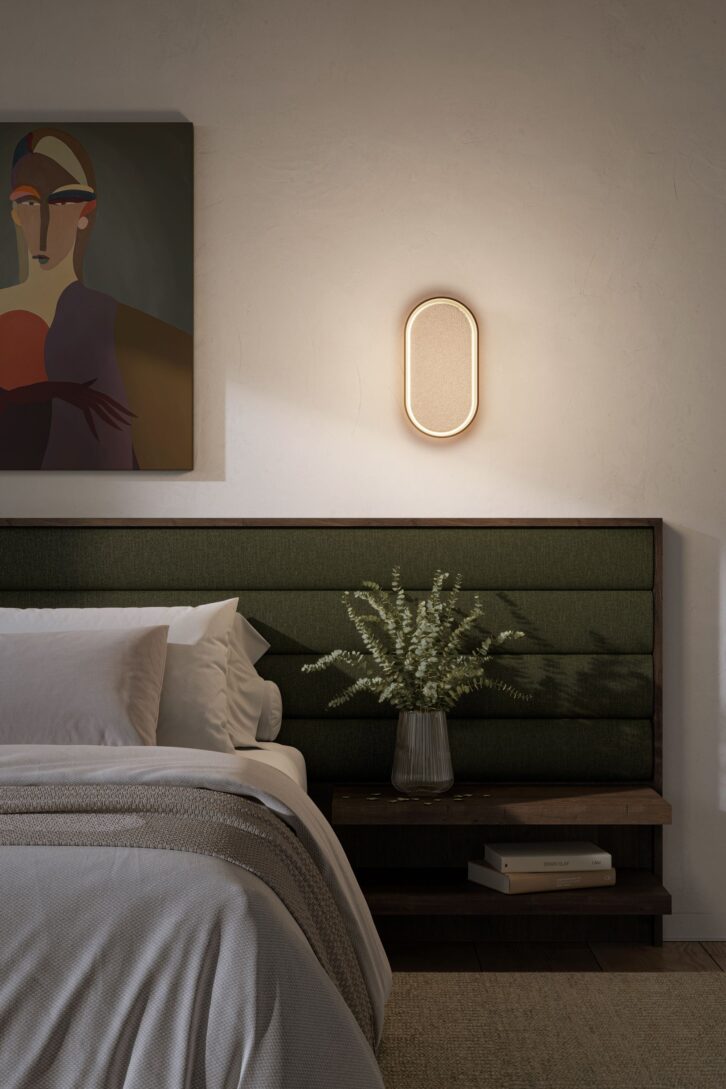
“Wall-Smart is entirely built around making technology disappear. This is what we do. Whether it’s a standard model or a custom-made solution, our design and engineering teams continually rethink and refine products to meet aesthetic needs. New products are constantly emerging to address evolving design trends.”
And the demand is growing quickly, notes Mark Cichowski, business development, Stealth Acoustics. “The rise of design-led projects has put greater emphasis on blending technology seamlessly into the environment, particularly in high-end residential spaces,” he says. “‘Stealthy’ and hidden devices have been on the rise for years, but many designers and architects still don’t know what they don’t know when it comes to the full range of possibilities available to them.”
Cichowski explains that when a Stealth dealer asks a designer, architect, or homeowner whether they’d like the option of invisible speakers, it often comes as a surprise. “Many have never seen or heard them in action,” he says. “Awareness of this technology is still just scratching the surface. Recently, Brian Azzano, Stealth Acoustics VP, attended a design event where around 25 designers were present; only two had ever heard of invisible speakers. After experiencing the Stealth demo, the group was amazed. It really shows how much opportunity there is to educate and inspire this audience. We fully expect this trend to keep accelerating as the lines between technology and design continue to blur. The desire for clean, minimal spaces isn’t going away, and Stealth is uniquely positioned to deliver on that vision.”
Consumer demand for design-centered residential products has been steadily growing, agrees Nexus 21 CEO Cory Lovett. “While the desire to conceal televisions when not in use remains one of the most popular requests, homeowners are increasingly looking for other innovative ‘conceal and reveal’ solutions that blend function with design,” he says. “Recently, we were approached by a high-end custom furniture maker who wanted to collaborate on several new additions to their product line. These designs, inspired by requests from their own clients, highlight the expanding role of discreet technology in everyday living.
Related: Invisible Luxury
“Among the concepts under development are motorized, lighted vanity mirrors that rise at the touch of a button and disappear when not in use. Also on the list are desks with hidden monitors, allowing workspaces to transform seamlessly between digital and traditional uses, nightstands with concealed compartments that elevate to reveal essential or medical devices, while keeping them hidden when not needed, and bar furniture with adjustable tops that lift to reveal elegantly hidden storage for bottles and glassware. These examples underscore a growing trend: Technology is no longer just about performance, but about how gracefully it integrates into the home. Consumers are seeking solutions that deliver convenience, preserve aesthetics, and adapt to the multifunctional ways people live today.
“Designers and architects bring us some of the most creative requests, and we enjoy working with these highly skilled professionals,” adds Lovett. “Our team collaborates closely with client-partners’ design groups to gain a clear understanding of the end customer’s needs and aspirations. From there, we assist in seamlessly integrating our motorized systems into their designs. We serve a wide and diverse range of partners, including luxury custom furniture makers, architectural millwork firms, specialty cabinet shops, yacht builders, and vehicle customization specialists. These innovators are continually reimagining their designs to meet the evolving demands of their clientele. Our role is to ensure that our fully integratable motorized solutions are as versatile and adaptable as possible, aligning seamlessly with their creative visions and functional requirements.”
In Response to the Demand
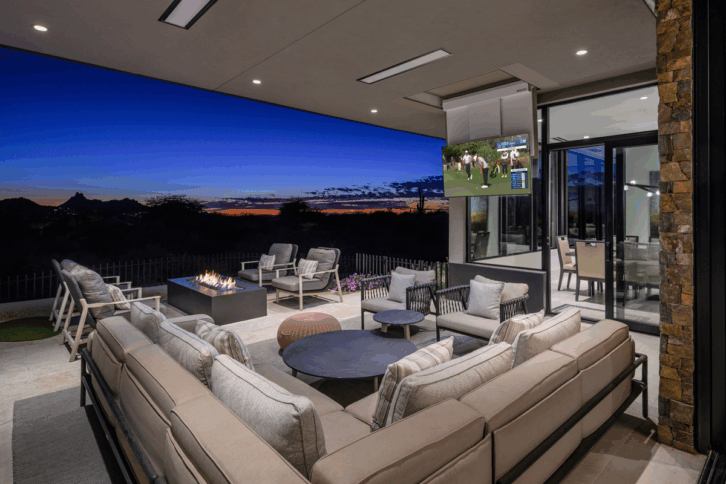
“Pop-up lift systems offer remarkable versatility, supporting a wide range of applications, from discreetly concealing a television within custom cabinetry to raising hidden appliances from beneath kitchen countertops,” Lovett says. “Another growing trend is the use of flip-down lift technology to camouflage TVs within the ceiling, allowing the screen to appear only when needed and vanish entirely when not in use.”

One of the fastest-emerging categories is the Art TV, with models such as the Samsung Frame TV leading the way. “To support this trend, we developed a specialty motorized mount designed specifically for Art TVs,” says Lovett. “At just four-and-a-half inches deep, it is the thinnest motorized wall mount available, fitting entirely within a standard-depth wall. This preserves the illusion of a framed artwork while giving homeowners the ability to extend the TV outward and pivot it to different viewing angles, all at the touch of a button. When viewing ends, the system glides the TV back into place, seamlessly restoring the appearance of a hanging piece of art.”
At Stealth, the main focus is on helping partners demonstrate the solutions and showcase what’s possible. “Once people experience the sound and see the seamless finish, there’s rarely much convincing needed,” Cichowski says. “In terms of design, we’re constantly evolving. We’re now on the eighth generation of our product line and have been manufacturing Stealth speakers for more than 20 years. We take pride in leading the invisible speaker category and driving awareness, even among competitors.
“Every model in the Stealth range is engineered for seamless integration, so the entire lineup supports this growing design trend. Installation is relatively simple. The key is a skilled drywall professional, as that’s the most critical part of achieving a perfect finish. The speaker itself mounts directly into the studs, unlike traditional in-wall models that use ‘dog-ear’ clamps to grip the drywall. Once installed and painted over, the result is completely invisible, yet sonically breathtaking.”
Another fast-growing area is Wi-Fi access points, says Ben-Dor. “Traditionally hidden in basements or attics, they are now placed in central spaces for better signal, but no one wants to see them,” she says. “Both in residential and commercial projects, concealment has become essential. Every Wall-Smart solution is engineered to maintain full device performance while achieving a fully flush and discreet look. This balance ensures that design never comes at the expense of functionality.”
“Leon has always led the way in creating design-centered products,” Kaplan says. “However, we’ve recognized that it’s not always about hiding the technology; it’s about crafting products that are thoughtfully designed to harmonize with a home’s aesthetics.”
To support the growing collaboration between integrators and designers, Leon now offers multiple high-design finish options, giving dealers and designers the flexibility to create custom solutions. “This could include natural finishes such as walnut or oak, or custom paint matches to align with a specific design vision,” he adds. “This approach allows us to offer products that feel both high-tech and thoughtfully integrated into the home environment. The Mera Sound Sconce, for example, was developed in collaboration with Mera Studio architects. Their goal was to reimagine the speaker, shifting it from an afterthought to a forethought, while also providing illumination and complementing the interior design of the space.”
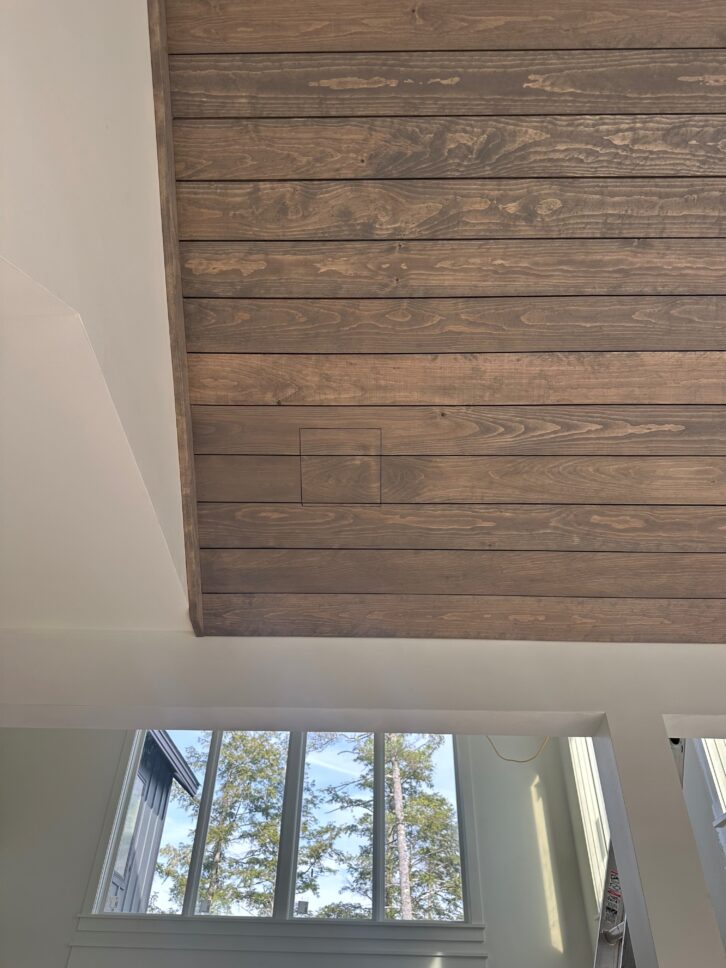
Leon’s range of TV Frame options was born from similar design needs. “From mid-century-inspired pieces like the Edge Flex Frame to more traditional gallery-style frames such as the Studio Frame for Sony Bravia, offering a variety of design styles has become integral to our business and the success of our dealer partners,” says Kaplan. “Based on current demand, we anticipate continued growth of designer-focused, high-style, and customizable solutions for residential applications.”
In terms of demand, for Lutron, there are two specific areas to note: HomeWorks keypads and automated shading solutions. “Some homeowners want their technology to be hidden while others want to celebrate their beautiful form factors and design and treat them like jewelry on the wall,” Andresko says. “Lutron offers wall controls in numerous styles and finishes — and even custom solutions — so that no matter what interior design style you are working with, Lutron devices will unobtrusively work quietly in the background while elevating the room’s design.
“We will continue to listen to our customers’ feedback and requests for new product styles. Lutron recently launched a new minimalist keypad style called Alisse. Its timeless elegance is inspired by traditional forms and hand-finished in solid brass. We also launched a new keypad called Aviena. It’s an evocative heritage design featuring a weighted mechanical toggle and hand-finished in solid brass.”
A designer favorite from Lutron’s shading collection is the Palladiom Wire-Free Shades. “Palladiom wire-free shades are automated, exposed roller shades that operate wirelessly using D-cell batteries, offering precise daylight control and a refined, minimal profile for sophisticated homes,” Andresko explains. “These shades feature hand-finished aluminum brackets, a streamlined design that does not require a fascia or pocket, and a whisper-quiet motor. They provide seamless integration with the Lutron HomeWorks system and are easily controlled via the Lutron App, keypads, or voice control platforms.”