You’ve likely been selling and installing smart lighting systems for years, but the lighting category is experiencing a revolutionary shift by moving to Intelligent Lighting. This is a completely new approach to the way lighting systems are designed, installed, and delivered. By moving the technology and intelligence away from panels and into fixtures, Intelligent Lighting from Lutron enables lighting to be thoughtfully programmed to support different activities, times of day, and homeowner preferences. This allows light to play a greater role in shaping the look, mood, and feel of rooms and areas throughout the home while highlighting architecture, artwork, and daily routines.
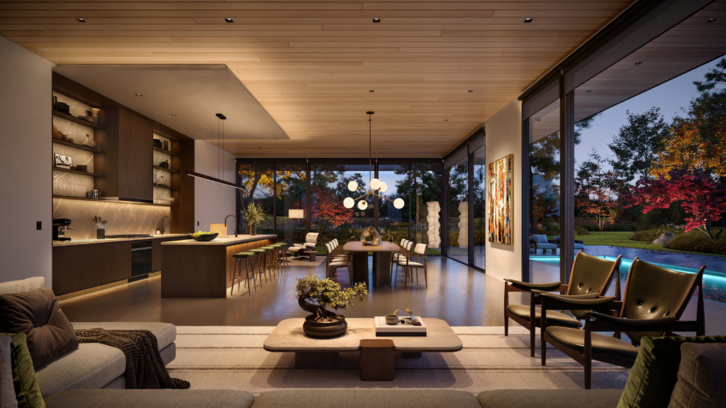
But change can be scary. And if you have been hesitant to pitch Intelligent Lighting systems to your clients, it is likely because of one of the following fears.
Explore some of the common misconceptions surrounding Intelligent Lighting below.
1. “It’s too expensive.”
Homeowners aren’t simply investing in light fixtures; they’re investing in the experiences they have and the way they feel in their home. Lutron’s Intelligent Lighting replicates natural light, delivers exceptional color quality, and provides personalized experiences throughout the home at the convenient press of a keypad button.
Rather than focusing on fixture cost, focus on the outcome: spaces that feel better, artwork that looks more vibrant, and a home that transitions naturally throughout the day. For many luxury homeowners, that’s a value proposition worth investing in. When homeowners invest in luxury architecture, premium finishes, custom cabinetry, artwork, and furnishings, Intelligent Lighting is what allows them to experience those investments at their best.
2. “I don’t understand all of the hardware needed to make Intelligent Lighting work.”
Many integrators assume Intelligent Lighting requires a completely different approach than traditional lighting projects. In reality, Intelligent Lighting is designed to work natively within Lutron’s HomeWorks ecosystem, with support, training, design resources, and commissioning assistance available to integrators throughout the process.
It’s also important to remember that Intelligent Lighting isn’t limited to one type of project. With solutions for both new construction and retrofit applications, dealers can introduce Intelligent Lighting into a variety of projects. The best place to start isn’t learning every component; it’s understanding the experience Intelligent Lighting delivers.
3. “My customers aren’t asking for it.”
They’re probably not asking for Intelligent Lighting because they don’t know it exists yet, but they’ll ask for it once they learn about how it can impact their lives. Homeowners rarely ask for “dynamic spectrum lighting,” “human-centric lighting,” or “lighting with native wireless control.” Just like motorized shades and whole-home automation, demand often begins with education.
What clients do want is a home that feels comfortable, welcoming, and beautiful. When they experience lighting that follows the rhythm of natural daylight, enhances the appearance of their interiors, and adapts to the way they live, the conversation changes quickly. Intelligent Lighting’s ability to replicate natural light and customize the environment to the homeowner’s preferences creates a benefit they can immediately understand and appreciate — all with the simple press of a button.
4. “I’ve been selling RadioRA 3/HomeWorks for years and don’t want to change what works.”
Intelligent Lighting doesn’t replace what works. It builds on it. If you’ve built a successful business around RadioRA 3 or HomeWorks systems, incorporating Intelligent Lighting into these projects is a natural next step. Instead of selling control alone, you’re now able to sell both the control of light and the light fixture itself, natively controlled by a RadioRA 3 or HomeWorks system.
Whether you’re working on a large custom home or a renovation, Lutron Intelligent Lighting allows you to expand your offering while continuing to leverage the lighting control expertise you’ve already developed. It’s not a departure from your business model — it’s an evolution of it that allows you to bring together electric light, daylight, controls, and automation to create homes that feel more natural and comfortable throughout the day.
5. “I’m not a lighting designer.”
You don’t have to be, and most successful integrators aren’t. They serve as trusted advisors who connect clients with the right technology solutions.
Lutron provides training, design support, and resources to help dealers confidently discuss Intelligent Lighting, then you can collaborate with the homeowner, architects, lighting designers, and interior designers while still leading the technology component of the conversation. Lutron also has a Lighting Presale Advisors team available to support its dealers with Intelligent Lighting design plans on their projects.
You don’t need to become a lighting designer overnight. You simply need to understand how better light can improve the homeowner experience.
6. “I’m not an electrician; I’m not comfortable wiring or installing Intelligent Lighting fixtures.”
You don’t need to be an electrician or have one in your company to install Intelligent Lighting. Selling Intelligent Lighting doesn’t mean you have to perform every aspect of the installation yourself. Many integrators work closely with electricians to execute projects successfully. The electricians handle the wiring and installation, while your role is to recommend and specify the solution then program the system to work the way the customer wants it to.
7. “I can’t sell a light fixture at that price, let alone an entire house full of them.”
Don’t sell the bulb, sell the experience. Homeowners aren’t purchasing Ketra because it’s a lamp or fixture. They’re investing in light that replicates the sun’s natural rhythm, lighting that enhances artwork and premium finishes, and the ability to set personalized scenes curated to fit each moment. Lutron’s Intelligent Lighting technology was developed to create a lighting experience that goes beyond what conventional LEDs can provide.
It’s also important to remember that Intelligent Lighting doesn’t need to be an all-or-nothing proposition, where you need to incorporate it in every room or none. Many projects start with Intelligent Lighting only in the primary suite, kitchen, great room, wine room, or art collection space. Then the homeowners realize they can’t live without Intelligent Lighting and they understand the value of having it in every space in their home.
8. “I’m comfortable programming lighting scenes and events, but I don’t want to deal with programming human-centric lighting or the 16.7 million colors that Ketra offers.”
Most clients don’t want 16.7 million choices; they want great light. One of the biggest misconceptions about Intelligent Lighting is that dealers need to manually program every possible color and lighting condition throughout the home. Although there are 16.7 million colors available with Ketra if a customer wants to incorporate color into their home, it’s not a requirement.
In reality, many homeowners simply want their lighting to feel natural and effortless. Intelligent Lighting can automatically shift color temperature and intensity throughout the day, creating a natural light experience without requiring constant adjustments. The technology behind the scenes is incredibly sophisticated, but the experience for both the homeowner and dealer can remain refreshingly simple.
9. “The lighting fixtures have already been specified by the time I meet with the client.”
That doesn’t mean the opportunity is gone. Many integrators are introduced to projects after the lighting plan has already been developed. While it’s best for an integrator to get into a project as early as possible, Intelligent Lighting can be brought into a project at any point.
In addition to new construction options, Lutron also has retrofit solutions that can be specified later in a project without having to tear down walls and ceilings to make it happen.
10. “The designer/builder is very specific about how they want the lighting to look in the home.”
That’s exactly why Ketra should be part of the conversation. If they care about the lighting being used on a project, they should want it to be high-quality Intelligent Lighting.
Designers and builders often care deeply about how a space feels and how finishes, fabrics, artwork, and architectural details are presented. Intelligent Lighting gives them more control over those outcomes, not less. With precise color tuning, natural light capabilities, exceptional color rendering, and technologies like Color Lock and Vibrancy, designers can create an intended look and help ensure it remains consistent over time.
In retrofit projects, Intelligent Lighting can mean preserving the aesthetic vision of an existing home while dramatically upgrading the lighting experience. In new construction projects, it creates another powerful tool for bringing the designer’s vision to life.
To learn how Intelligent Lighting can help your business deliver premium lighting experiences, simplify project delivery, and expand revenue opportunities, visit the Lutron Intelligent Lighting page.