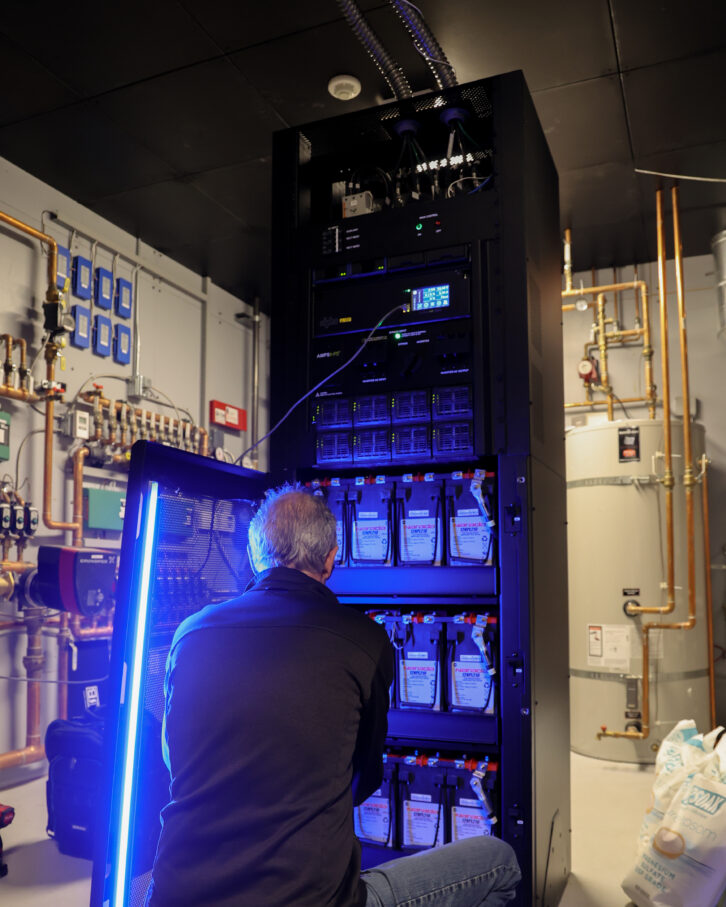
When systems integrators address power with their customers, the conversation often starts with one product category, either battery backup, surge protection, or power conditioning. But none of these technologies on its own enables a home with true power resilience.
I find it more useful to think about residential power the same way we think about water. A home has a tank to store water, a filter to clean it, and a meter to measure usage. True power resilience requires a similar layered approach: backup to keep critical systems operating during outages, filtration to deliver clean, stable power to connected devices, and monitoring to understand what is coming into the home and how energy is being consumed. Surge protection is another component that can also be added.
The key to any project is understanding what the client needs and then specifying the appropriate layers.
Power Week: Lighting the Way
Start With the Problem, Not the Product
Certainly, power can be an intimidating area to address because it feels like entering the electrician’s territory. The truth is, you don’t need an electrical engineering degree to steer the conversation in the right direction. You just know that clean, stable, reliable power is the foundation of any home. The most effective way to convey this concept to your customers is with a simple graph. By showing customers what unstable power entering a home looks like compared with the clean, consistent power delivered by a comprehensive power management system, you give them a clear, non-technical and compelling picture of both the problem and the value of solving it.
Follow by relating power issues to something the homeowner actually cares about. They expect the lights to turn on when they press a button. They expect their new oven to work. When the kids are finally in bed, they want to turn on the TV and watch a movie; not reboot three devices first. These are the real pain points. The stable power illustrated by the graph translates directly into home electronics they can trust to work as they should without fail.
Power Week: The Power Is in the Details
Specify the Layers the Project Requires
Once you’ve established the need for power management, next determine what type of protection the project requires.
- Filtration is often my first consideration because sensitive electronics require stable, clean power to perform properly. And today, sensitive electronics aren’t confined to an AV rack. They’re in lighting controls, motorized shades, security systems, appliances and countless other devices throughout the home.
- Backup addresses a different problem: continuity. Which systems need to remain operational when utility power disappears, and for how long?
- Monitoring adds visibility. It can help homeowners, property managers, and service providers understand power conditions, consumption, and the movement of energy into and out of the home.
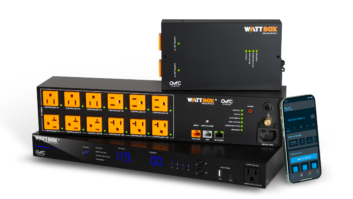
Depending on the project, these capabilities might come from separate components or a single integrated solution. Either approach can work. What’s important is understanding that selecting only one layer doesn’t necessarily solve the broader resilience problem. A holistic solution is generally the better option.
Power Week: The Difference Between PoE and Distributed DC
Plan for Power Early
New construction gives integrators another important opportunity: planning for resilience even when the client isn’t ready to purchase the complete solution. Identify the home’s sensitive loads — not just the AV rack and network, but lighting, motorized shades, security, and appliances — and work with the electrician to isolate them appropriately, such as through a critical-load panel. Providing the infrastructure during construction can make adding or expanding power-management solutions considerably easier later.
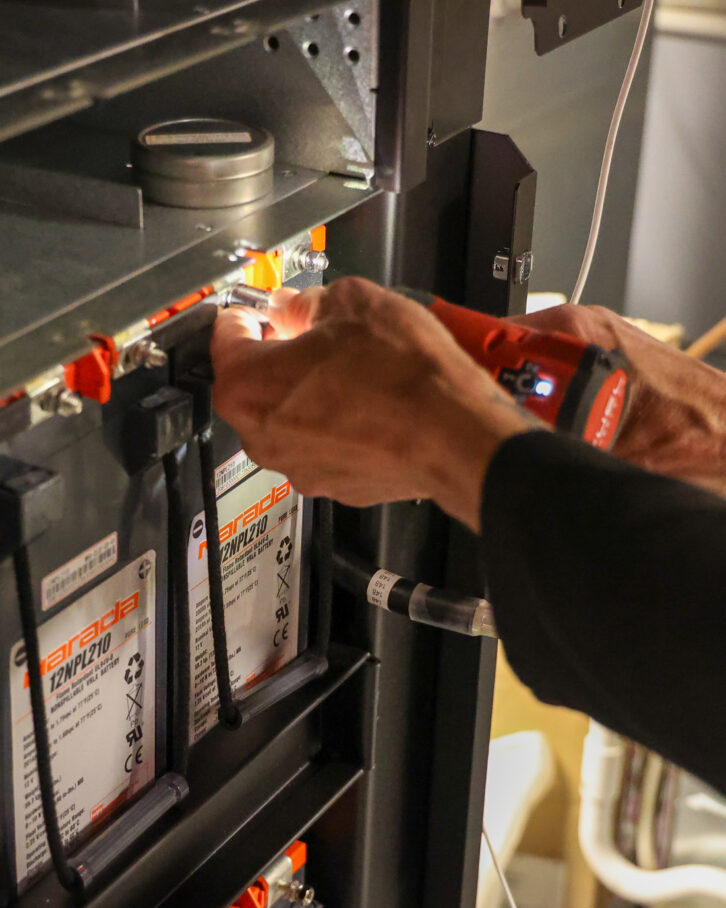
The earlier that conversation happens, the better. And it should be collaborative. The electrician, builder, and integrator ultimately want the same outcome: a home that works reliably. Positioning power resilience as a way to help everyone deliver on that promise turns what can feel like a territorial conversation into a partnership.
Layers of Whole-Home Reliability
Our team has taken this philosophy one step further by including power as a system category in our proposals by default. The size, specific solution, and budget can be determined later, but the category belongs as a line item from the beginning. That’s an important shift for our industry. We shouldn’t think of power management as an accessory added after the lighting, AV, networking, and automation systems have been designed. Power is the foundation those systems rely on.
Power Week: Power for the Picture
For integrators, the goal isn’t simply to specify a backup system, conditioner, or monitoring device. It’s to understand the vulnerabilities of each project and build the right layers of resilience around them. Do that well, and we’re not just protecting technology. We’re delivering something far more valuable to our clients: confidence that their homes will work when they expect them to.
For more information, visit savinc.net and www.rosewaterenergy.com.